
Tips for Creating a Cozy and Inviting Home Workspace
dofivia.pro >> souls>> Tips for Creating a Cozy and Inviting Home Workspace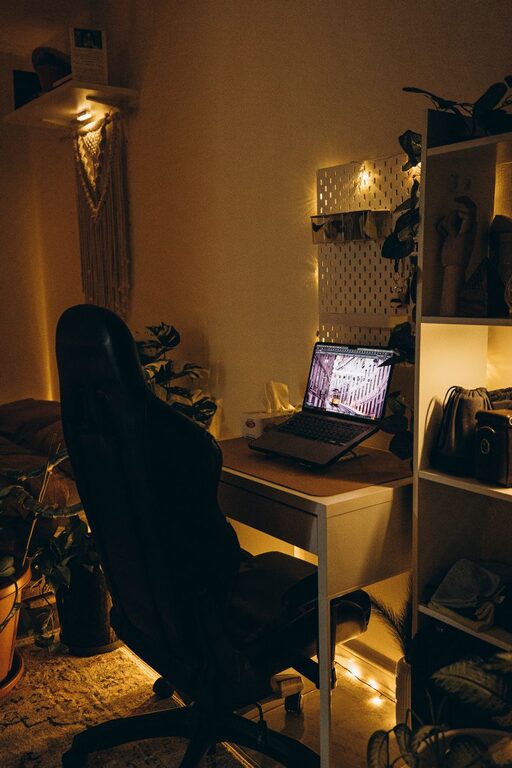
Tips for Creating a Cozy and Inviting Home Workspace
Creating a cozy and inviting home workspace is essential in today’s world, where many people spend significant time working from home. A well-designed workspace not only enhances productivity but also makes your workday more enjoyable and less stressful. Whether you have a dedicated room or just a small corner, there are plenty of ways to transform any space into a comfortable and efficient work area.
In this post, we’ll explore practical tips on how to create a home workspace that feels warm, inviting, and perfectly suited to your needs.
1. Choose the Right Location
Selecting the best spot for your workspace is the first step. Ideally, look for an area with:
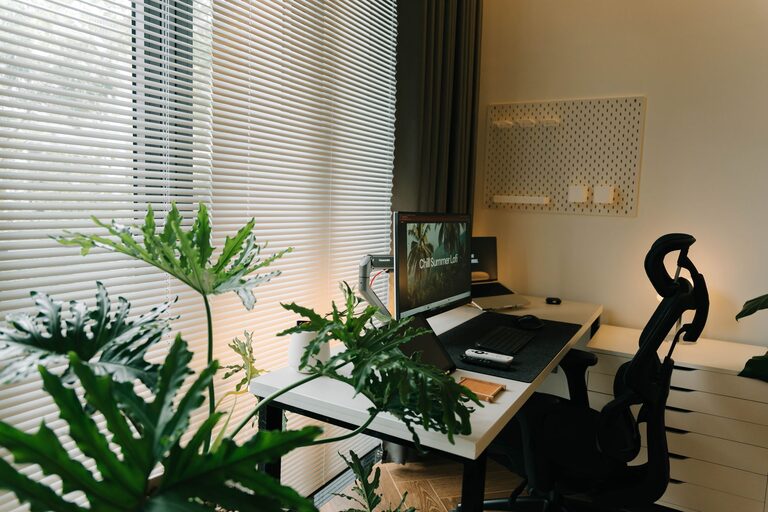
– Natural light: Position your desk near a window to enjoy daylight, which can improve mood and reduce eye strain.
– Quiet environment: Choose a place with minimal distractions to help maintain focus.
– Sufficient space: Make sure there’s enough room for your desk, chair, and necessary equipment, plus some free area for movement.
If space is limited, consider corners or even underused areas like an unused dining table or a nook.
2. Invest in Comfortable Furniture
Comfort is key for long hours at your desk. Prioritize furniture that supports both your body and productivity.
– Ergonomic chair: Select a chair with adjustable height, lumbar support, and cushioned seating.
– Appropriate desk: Choose a desk with the right height and enough surface area for your computer, notes, and accessories.
– Footrest: Adding a footrest can improve posture and reduce fatigue.
– Adjustable options: Consider sit-stand desks or monitor stands to customize your setup.
A comfortable setup reduces physical strain, helping you stay focused longer.
3. Enhance Lighting for Productivity and Ambiance
Good lighting affects both your energy and eye comfort.
– Combine natural and artificial light: Use daylight when possible, but add task lighting like desk lamps to brighten dark areas.
– Warm vs. cool lights: Warm light creates a cozy atmosphere, while cool light can boost alertness. Balance them to suit your work tasks and mood.
– Avoid glare: Position screens to minimize reflections and eye strain.
Proper lighting makes working easier and improves the overall feel of your space.
4. Add Personal Touches
Personalizing your workspace can make it more inviting and motivate you to work.
– Decorate with plants: Greenery brings freshness and can improve air quality.
– Incorporate art and photos: Choose images that inspire or relax you.
– Use colorful accessories: Items like pencil holders, notebooks, or rugs add personality.
– Display meaningful objects: Keep items that have positive memories or encourage creativity nearby.
These touches help your workspace feel like your own special place rather than just a functional area.
5. Organize for Efficiency and Calm
An organized space reduces stress and helps you focus.
– Declutter regularly: Keep only essential items on your desk.
– Use storage solutions: Bins, shelves, and drawers keep tools and papers tidy.
– Cable management: Use clips or sleeves to prevent cords from tangling.
– Create zones: Assign specific areas for computer work, writing, and storage.
When everything has a place, it’s easier to find what you need and maintain a pleasant environment.
6. Control Noise and Distractions
Creating a quiet environment improves concentration and makes your workspace more peaceful.
– Noise-cancelling headphones: Use them to block distracting sounds.
– Soft furnishings: Rugs, curtains, and cushions absorb sound and add coziness.
– White noise machines: These can mask background noise if your space has unavoidable sounds.
– Clear boundaries: If you share your home, establish rules for minimizing interruptions during work hours.
A calm space supports better focus and reduces work-related stress.
7. Pay Attention to Temperature and Air Quality
Comfort isn’t just about furniture and lighting; temperature and air quality also matter.
– Maintain a comfortable temperature: Use fans, heaters, or open windows to adjust the climate.
– Ventilation: Fresh air helps keep you alert.
– Air purifiers: These can improve air quality, especially if you live in urban areas or have allergies.
Prioritizing these factors contributes to a healthier and more pleasant workspace.
8. Incorporate Relaxation Elements
Taking short breaks helps maintain productivity. Incorporate features that encourage relaxation.
– Comfortable chair or small couch: A cozy spot for brief rests.
– Books or magazines: For quick mental breaks.
– Scented candles or essential oils: Pleasant aromas can reduce stress.
– Music options: Soft background music can boost mood and creativity.
A workspace that allows for rest and rejuvenation keeps you energized throughout the day.
—
Final Thoughts
Creating a cozy and inviting home workspace doesn’t require a big budget or major renovations. By focusing on comfort, organization, lighting, and personal touches, you can build a space that supports both your well-being and productivity. Remember, your workspace should be a place you look forward to using — a personal haven where work feels manageable and enjoyable.
Start with small changes and adjust your setup until it perfectly fits your style and needs. Happy decorating!
Related Post

Tips for Creating a Productive Home Office Space
Creating a productive home office space is essential for anyone who works remotely or spends…