
Tips for Creating a Relaxing Home Workspace to Boost Productivity
dofivia.pro >> Productivity>>Workspace>> Tips for Creating a Relaxing Home Workspace to Boost Productivity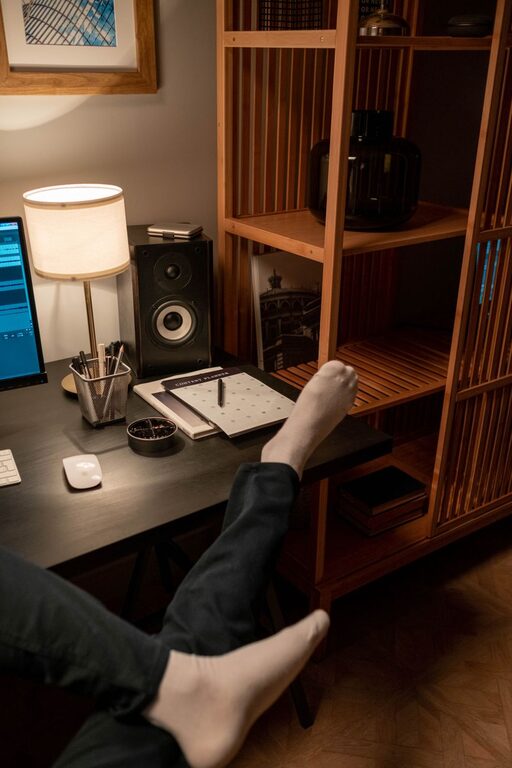
Tips for Creating a Relaxing Home Workspace to Boost Productivity
Creating a relaxing home workspace is key to staying productive while working from home. A well-designed area can help reduce stress, improve focus, and make work more enjoyable. Whether you have a dedicated office or a small corner, these tips will help you transform your space into a comfortable, efficient environment.
1. Choose the Right Location
Start by selecting a quiet spot with minimal distractions. Ideally, pick a space with natural light and enough room for your work essentials. Avoid areas near noisy appliances or busy walkways to maintain concentration throughout the day.
2. Prioritize Comfortable Seating
Your chair plays a vital role in comfort and posture. Invest in an ergonomic chair that supports your back and allows you to sit with feet flat on the ground. Adjustable features help you customize the fit and reduce fatigue during long work sessions.
3. Optimize Your Desk Setup
Arrange your desk to keep essential items within reach. Choose a desk size that fits your space without feeling cramped. Use monitor stands or laptop risers to align your screen at eye level, helping to prevent neck strain.
4. Control Lighting
Good lighting reduces eye strain and boosts mood. Combine natural light with task lighting such as a desk lamp. Avoid harsh overhead lights or glare on your screen by adjusting curtains or repositioning your desk as needed.
5. Declutter and Organize
A tidy space promotes a clear mind. Keep your desk free from unnecessary items and use organizers to store supplies. Consider shelves or drawers to keep paperwork and tools neatly arranged and out of the way.
6. Personalize with Calming Elements
Add touches that calm and inspire you, like indoor plants, artwork, or scented candles. These elements make the space inviting and can reduce stress throughout the day.
7. Manage Noise Levels
If your workspace isn’t naturally quiet, try noise-canceling headphones or background music to mask distractions. White noise machines or apps can also create a peaceful auditory environment.
8. Keep Technology in Check
Ensure your tech equipment works smoothly and is well-organized. Use cable organizers to avoid tangles and keep your charging station handy. Regularly update software to prevent interruptions.
9. Incorporate Movement Breaks
Set reminders to take short breaks and stretch or walk around. Moving periodically can improve circulation and help maintain mental sharpness.
10. Maintain Temperature and Air Quality
A comfortable temperature and fresh air contribute to productivity. Use fans, heaters, or open windows to regulate air flow. Houseplants can also improve air quality naturally.
Final Thoughts
Creating a relaxing home workspace doesn’t require a major overhaul. With thoughtful arrangement and small adjustments, you can build an environment that supports both productivity and well-being. Remember, the best workspace reflects your personal needs and promotes a balance between focus and comfort.