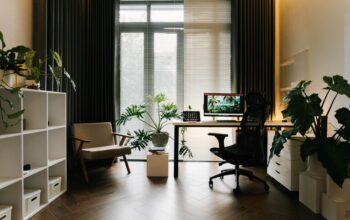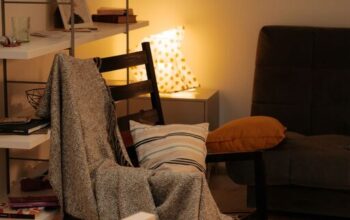
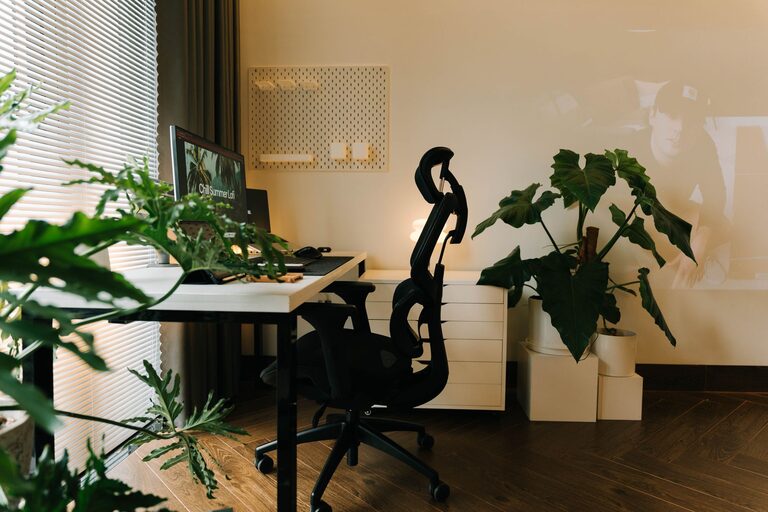
Creating a relaxing home office space is essential for maintaining focus and reducing stress while working from home. Whether you have a dedicated room or a small corner, transforming your workspace into a calm and inviting area can boost your productivity and overall well-being. In this post, we’ll explore practical tips to help you design a comfortable and peaceful home office.
Why a Relaxing Home Office Matters
When your workspace feels cluttered or chaotic, it can impact your ability to concentrate and increase feelings of anxiety. A relaxing home office promotes better mental clarity, creativity, and efficiency. It’s not only about aesthetics but also about creating an environment that supports your work habits and personal comfort.
Choose the Right Location
Consider Natural Light
One of the simplest ways to enhance relaxation in your home office is to position your desk near a window. Natural light helps regulate your body clock, improves mood, and reduces eye strain. If possible, avoid facing a window directly to prevent glare on your screen; instead, try side-lighting.
Minimize Noise Distractions
Select a quiet space or invest in noise-cancelling headphones if your home is lively. Soft background music or ambient sounds like nature noises can also create a soothing atmosphere without interrupting your focus.
Invest in Comfortable and Functional Furniture
Ergonomic Chair
A comfortable, supportive chair reduces physical strain and encourages proper posture. Look for adjustable features like seat height, lumbar support, and armrests.
Spacious Desk
Choose a desk with enough surface area to keep your computer, documents, and any other essentials organized. Avoid overcrowding by keeping only what you frequently use within arm’s reach.
Organize and Declutter Your Space
Keep Surfaces Clear
Having a clean desk reduces distractions and creates a calming visual environment. Use organizers, trays, or shelves to manage paperwork and office supplies.
Cable Management
Tidy up electronic cords with clips, sleeves, or under-desk trays to prevent tangles and accidents. A clean setup feels more inviting and less stressful.
Personalize with Calming Elements
Soothing Colors
Choose paint or decor in soft, neutral colors such as light blues, greens, or warm beige. These tones are known to have calming effects.
Incorporate Plants
Adding greenery like small potted plants or succulents improves air quality and adds a touch of nature. Plants can increase feelings of relaxation and reduce stress.
Art and Inspiration
Display a few favorite photos, artwork, or motivational quotes that inspire you without overwhelming the space. This helps create a positive and personalized environment.
Optimize Lighting
Layered Lighting
Use a combination of overhead lights, task lamps, and natural light to control the ambiance throughout the day. Adjustable lamps allow you to direct light where needed, reducing eye strain.
Avoid Harsh Lighting
Soft, warm lights prevent fatigue and create a welcoming workspace. LED bulbs with adjustable color temperature can be a good option.
Control Temperature and Air Quality
Maintain Comfort
Keep your office at a comfortable temperature, ideally between 68°F and 72°F. Use fans, heaters, or air conditioning as needed.
Fresh Air
Open windows when possible to circulate fresh air, or use an air purifier to maintain healthy air quality.
Create Effective Work Zones
Separate Work and Relaxation
If space allows, designate specific areas for focused work, breaks, and storage. This helps your brain associate different parts of the room with productivity or rest.
Use Room Dividers
For open spaces, consider screens, curtains, or bookshelves to create visual boundaries that organize your office and reduce distractions.
Establish Daily Routines
Morning Setup
Arrange your workspace every morning by clearing clutter, making a to-do list, and adjusting lighting. This routine signals the start of your workday and promotes a relaxed mindset.
Take Regular Breaks
Incorporate short breaks to stretch, hydrate, or meditate. A relaxing workspace makes it easier to pause and recharge.
—
By applying these tips, you can create a home office space that feels peaceful, organized, and tailored to your needs. A relaxing environment not only supports your productivity but also enriches your daily work experience. Start small and adjust as you go to build the perfect workspace for your lifestyle.