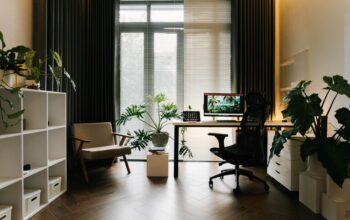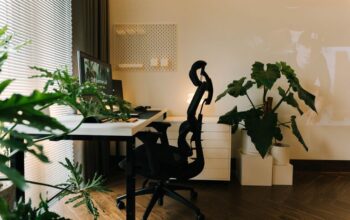
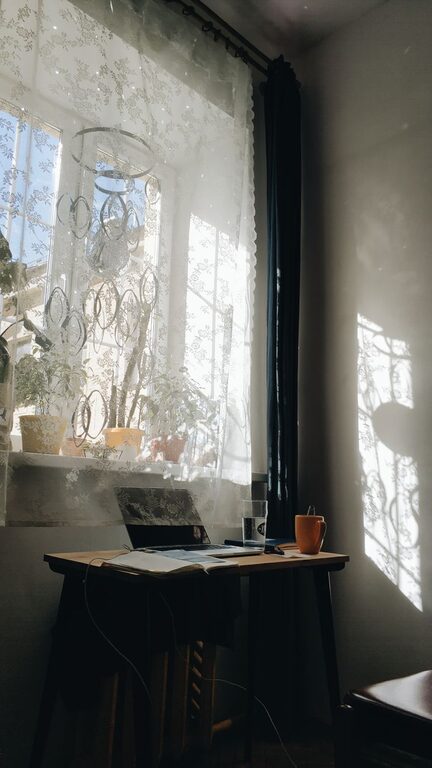
Creating a relaxing home workspace is essential for boosting productivity and maintaining a healthy work-life balance. When your workspace feels comfortable and calming, it’s easier to focus, reduce stress, and complete tasks efficiently. Whether you’re new to working from home or looking to improve your current setup, these tips will help you design a workspace that supports your well-being and productivity.
Why a Relaxing Workspace Matters
Your work environment directly impacts your mood and efficiency. A cluttered or noisy space can lead to distractions and burnout. On the other hand, a thoughtfully arranged, soothing workspace promotes concentration and creativity. By focusing on comfort and organization, you’ll find it easier to stay motivated and productive throughout your workday.
Choose the Right Location
Selecting the perfect spot for your workspace is the first step. Ideally, pick an area with minimal foot traffic to reduce interruptions. If possible, choose a space with plenty of natural light, as sunlight improves mood and alertness.
Tips for Selecting Your Workspace Location:
– Avoid high-traffic areas like the kitchen or living room.
– Consider a spare room or a quiet corner.
– Position your desk near a window for natural light.
– Ensure the space has proper ventilation.
Invest in Comfortable Furniture
Ergonomics play a crucial role in creating a relaxing workspace. An uncomfortable chair or poorly placed desk can lead to back pain and fatigue, which decrease productivity. Investing in quality, adjustable furniture helps maintain good posture and comfort during long working hours.
Furniture Essentials:
– Adjustable office chair with lumbar support.
– Desk at the right height to keep arms and wrists comfortable.
– Footrest if your feet don’t reach the floor comfortably.
– Optional standing desk or convertible desk for movement during the day.
Keep Your Workspace Organized
Clutter can increase stress and distract you from your tasks. Keeping your workspace tidy encourages a clear mind and makes it easier to locate what you need.
Organization Ideas:
– Use trays or bins to sort papers and office supplies.
– Store rarely used items in drawers or cabinets.
– Keep your desktop clear except for essential items.
– Use cable organizers to manage cords and chargers.
Add Calming Elements
Incorporating soothing features into your workspace can help reduce stress and create a pleasant atmosphere.
Relaxing Touches to Consider:
– Plants: Indoor greenery improves air quality and adds a natural feel.
– Soft lighting: Use lamps or light fixtures with adjustable brightness.
– Artwork or photos: Display images that motivate or calm you.
– Aromatherapy: Essential oils or candles with calming scents like lavender or eucalyptus.
Minimize Distractions
A peaceful workspace requires limiting interruptions. This may involve managing noise, digital distractions, or interruptions from other household members.
Ways to Reduce Distractions:
– Use noise-canceling headphones or play soft background music.
– Set clear boundaries with family or roommates about work hours.
– Turn off non-work-related phone notifications and apps.
– Use website blockers if you tend to get distracted online.
Personalize Your Space
Adding a personal touch can make your workspace more inviting and motivating. Choose colors, decorations, and layouts that reflect your style without overwhelming the area.
Personalization Tips:
– Pick calming colors like blues, greens, or neutrals.
– Incorporate inspiring quotes or vision boards.
– Arrange your desk accessories with both form and function in mind.
Maintain a Routine for Cleanliness
Regularly cleaning and refreshing your workspace helps maintain a relaxing environment. Taking a few minutes each day to tidy up supports an ongoing sense of calm.
Simple Maintenance Habits:
– Clean your desk surface daily.
– Dust electronics and shelves weekly.
– Organize papers at the end of each day.
– Refresh plants and change air filters as needed.
Take Breaks and Move
Even in a well-designed workspace, sitting for long periods can cause fatigue. Scheduling regular breaks to stand, stretch, or walk helps re-energize your mind and body.
Break Suggestions:
– Follow the 20-20-20 rule: every 20 minutes, look at something 20 feet away for 20 seconds.
– Stand and stretch every hour.
– Use break time for short walks outside if possible.
Final Thoughts
Creating a relaxing home workspace is a great investment in your productivity and well-being. By choosing the right location, investing in comfort, minimizing distractions, and personalizing your space, you set the stage for successful workdays. Remember, a calming workspace supports focus and creativity, making work feel less like a chore and more like a rewarding part of your day.